Hydrocarbon flow visibilityFollow value from wellhead to sales meter
Connect well, gathering, separation, processing, and export data in real time so allocation and reconciliation hold up at every custody and ownership handover.
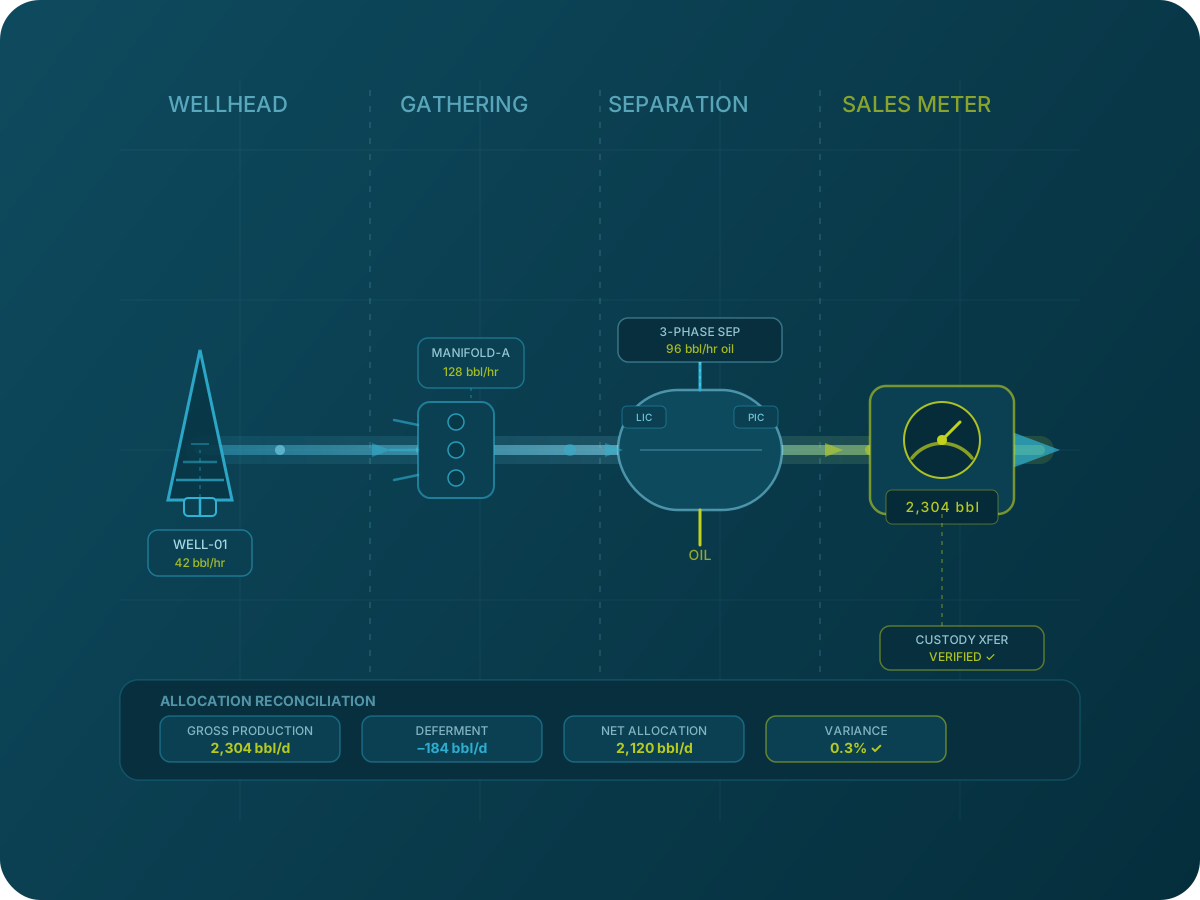
Production engineers, integrity teams, and commercial leaders too often reconcile the same day's barrels from different systems. AM SQUARED connects upstream, midstream, and downstream teams to a single trusted production story, from wellhead to allocation to month-end. Advisory, practical implementation, and platform capability stay with one partner.
Oil & gas remains a supporting industry pathway alongside the mining-led narrative.
Leadership and governance
Operations and technical
Commercial and enabling
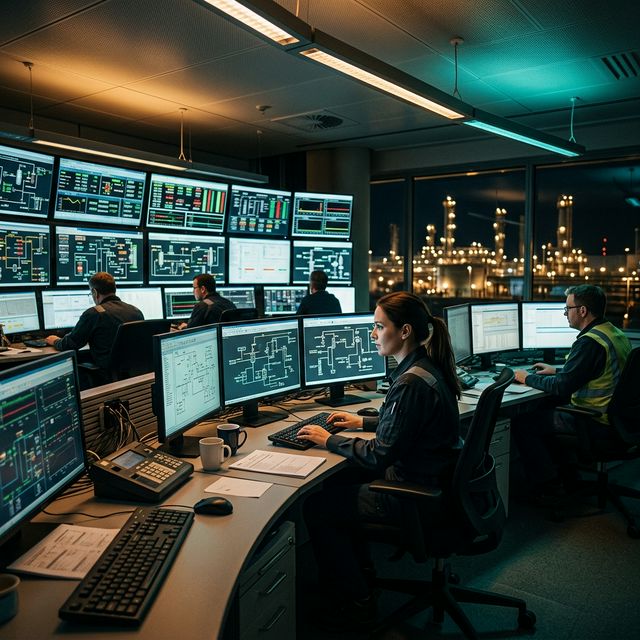
Predictability is hard in oil and gas because the asset is invisible until it reaches a meter. Production allocation, deferment, and integrity status are stitched together from historians, SCADA, well-test rigs, and back-office spreadsheets. Each function reconciles the same barrel a different way, and confidence drains long before numbers reach the asset review.
The result is an operation reacting after the fact. Pressure drifts at a separator, an export pump trips, a corrosion inspection slips and leadership hears about it only when it has already moved the daily number. Without a shared, current view across upstream, midstream, and downstream, every commitment is a forecast on stale data and every deviation becomes a scramble.
We help oil and gas teams build clearer visibility, stronger control, and more reliable decisions across upstream, midstream, and downstream.
Hydrocarbon flow visibilityFollow value from wellhead to sales meter
Connect well, gathering, separation, processing, and export data in real time so allocation and reconciliation hold up at every custody and ownership handover.
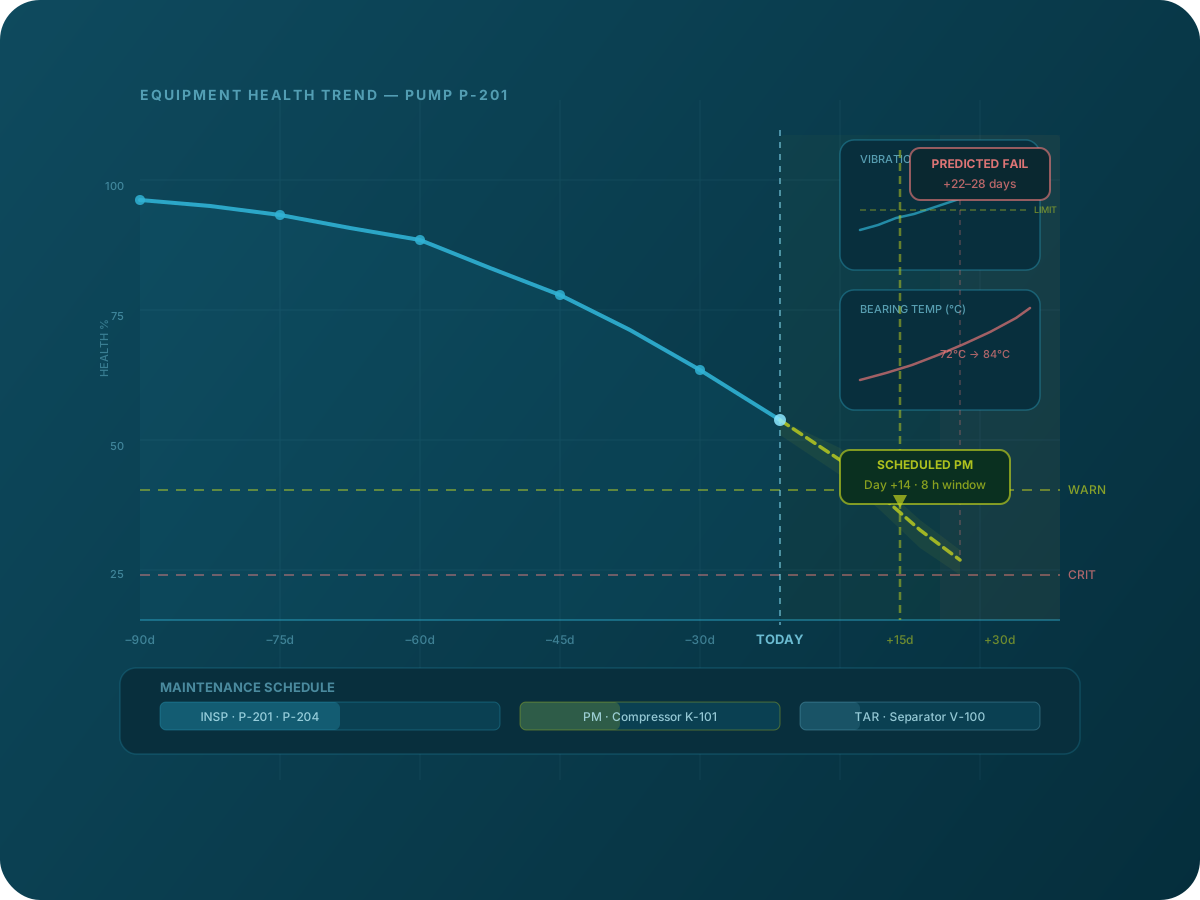
Forward-looking planningShift from reactive to predictive
Anticipate equipment failure, schedule turnarounds with confidence, and align production, integrity, and supply-chain decisions against a single forward view.
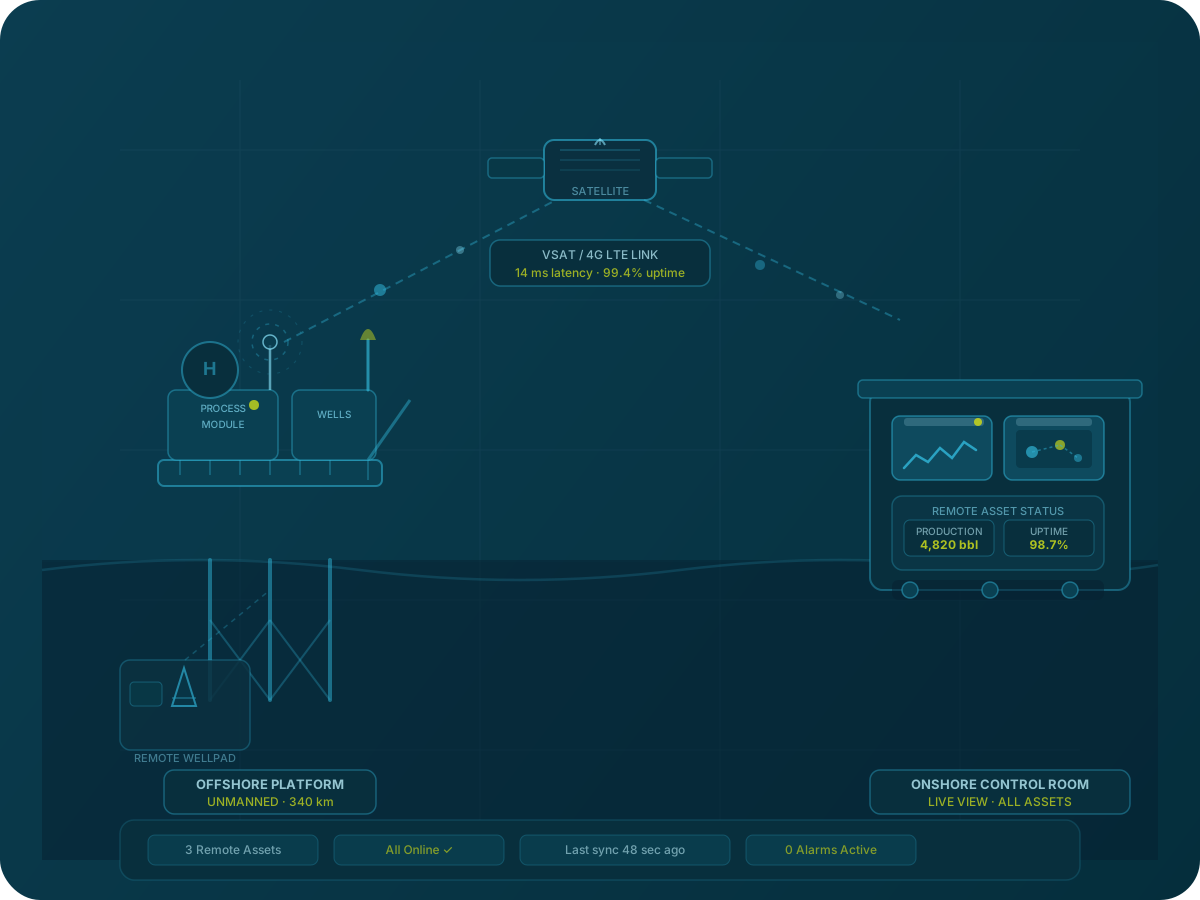
Remote and offshore visibilityExtend visibility into remote and unmanned operations
Bring offshore platforms, remote wellpads, and lightly-manned facilities into view so distance, weather, and bandwidth no longer hide the asset from the control room.
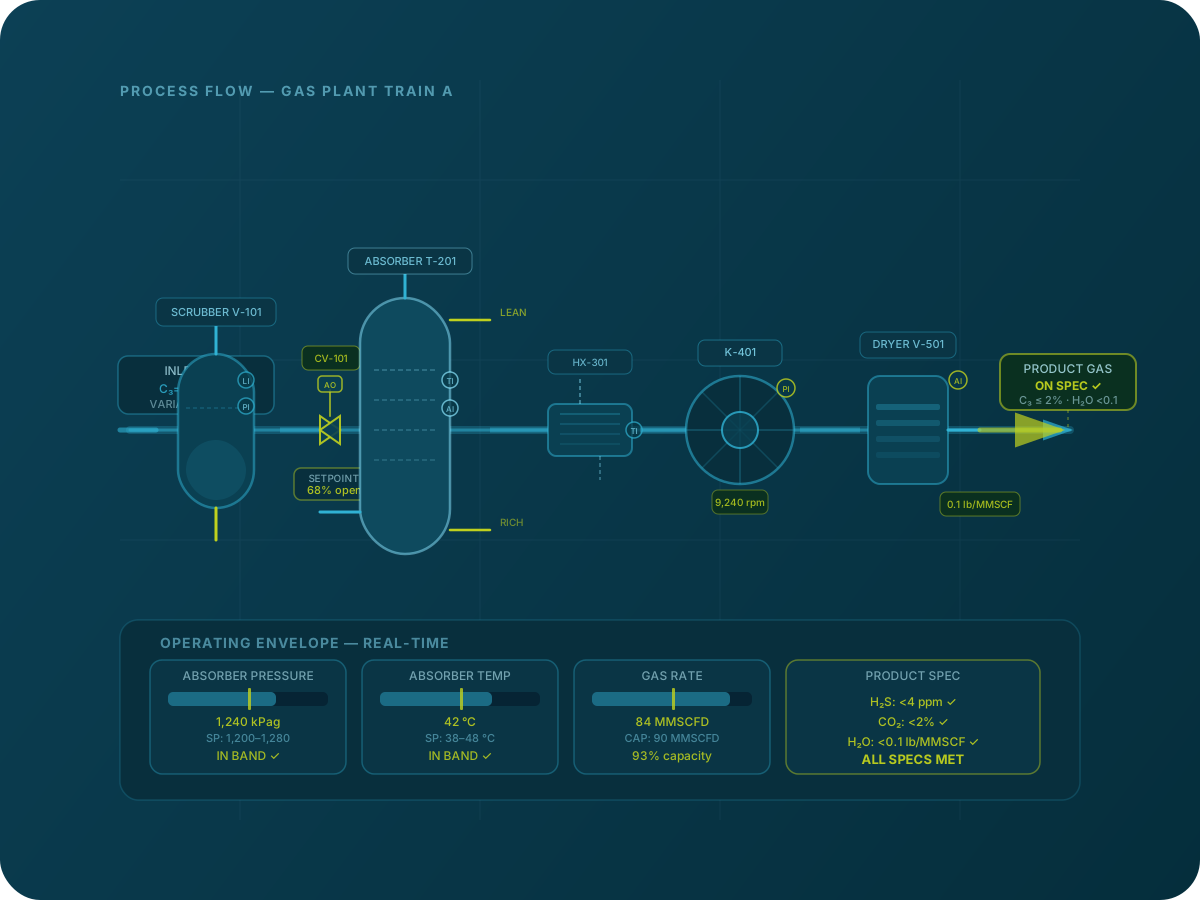
Process stability and controlHold the facility steady through changing feed
Apply process controls and operating envelopes that respond as wellstream and feed quality change, protecting yield, throughput, and product spec without depending on individual operator know-how.
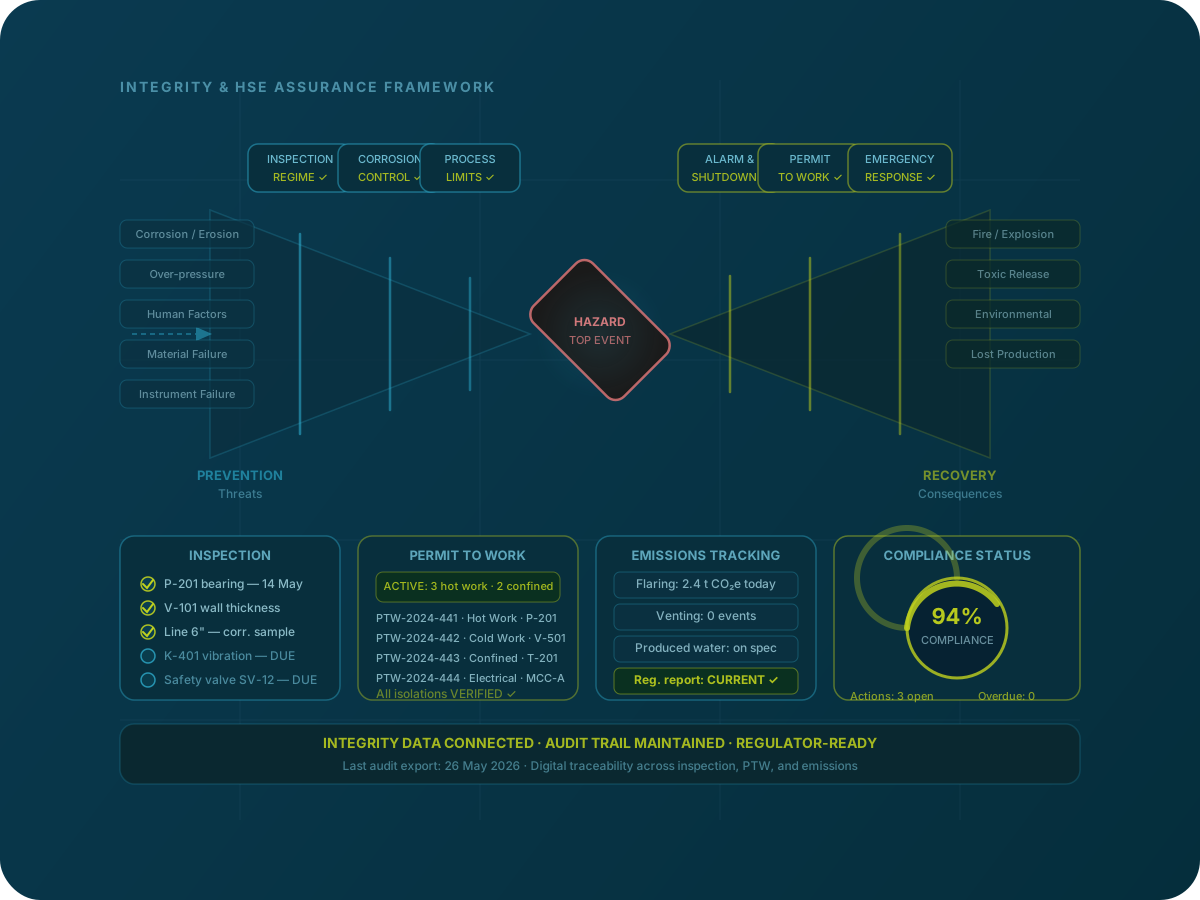
Integrity, HSE, and complianceBring integrity and assurance into the operating picture
Connect inspection, HSE, permit-to-work, and emissions data with a compliance analytics engine and digital audit trail for leadership, regulators, and partners.
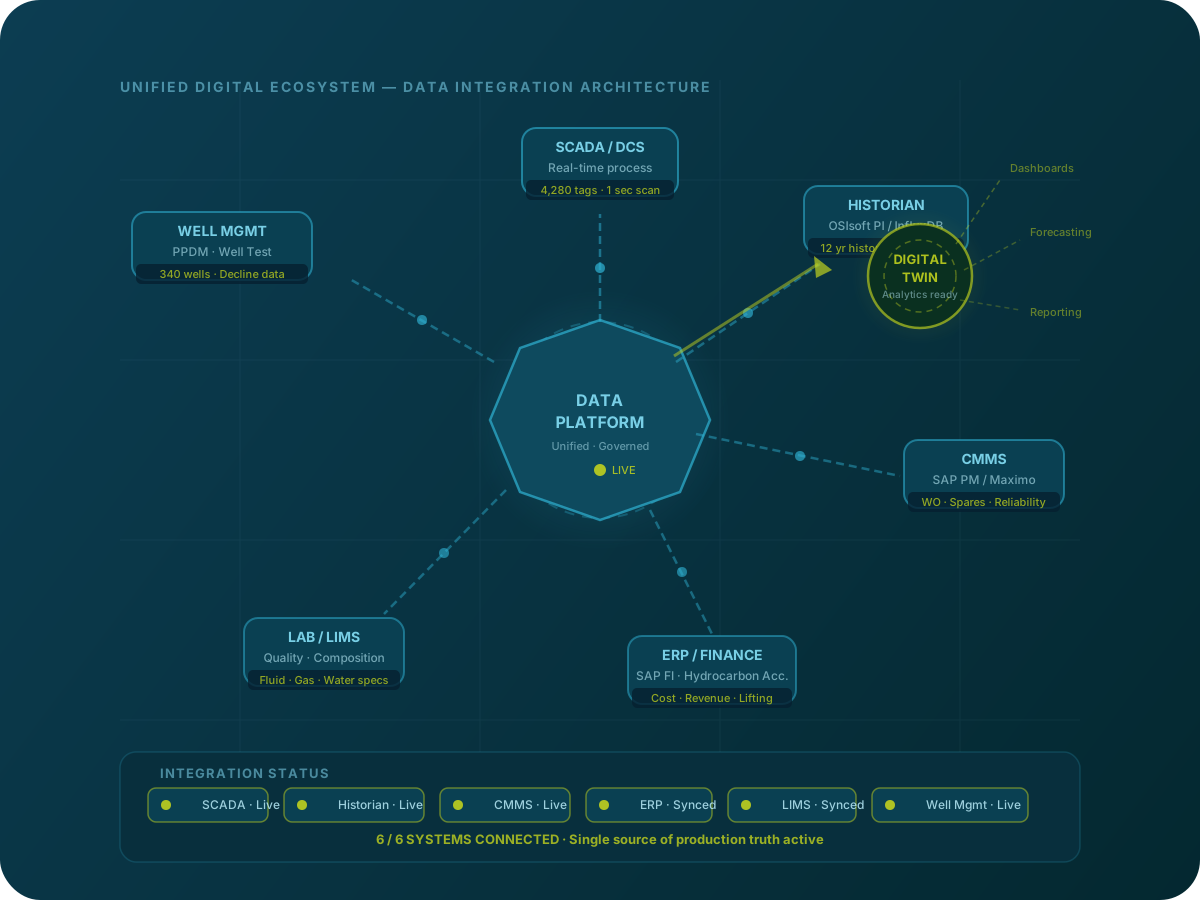
Integration and digital transformationUnify the digital ecosystem
Unify control systems, historians, maintenance, and back-office platforms as the foundation for hydrocarbon accounting, advanced analytics, and a credible path to a working digital twin.
Value chain / Oil & gas
Real-time production visibility
Wellpad, gathering, and plant signals in one thread instead of separate historians and morning rebuilds.
Lower deferment
Unplanned downtime, choke changes, and constraint events tracked against the daily target in shared context.
Faster shift and crew handover
Digital logs and structured handover so deferment causes and follow-up actions stay visible across crews.
Predictive equipment health
Rotating equipment vibration, seal, and lube trends linked with CMMS history so drift is caught before a trip.
Well and reservoir performance
Decline, water cut, and GOR trends reconciled with well-test data and surface constraints.
Stable feed and processing
Separator, dehydration, and treatment performance held steady against changing wellstream composition.
Throughput and bottleneck visibility
Compression, export, and processing constraints visible across the chain when signals stay linked.
Yield and product quality
Refinery and gas-plant yields tied back to feed composition and operating envelope without manual rebuilds.
Lower energy and fuel-gas use
Energy consumption visible by unit, train, and operating mode so excess burn shows up before it's normalised.
Chemical and consumable spend
Corrosion inhibitor, methanol, and amine usage threaded with operating conditions and procurement.
Labour and contractor productivity
Planning, permitting, and execution loops on shutdowns and turnarounds with less rework between cycles.
Spares and inventory control
Critical spares and long-lead inventory positions governed against actual reliability risk, not folklore.
Process safety and incident reduction
Hazards, near misses, and bypassed safeguards captured with follow-through in one governed thread.
Asset integrity and inspection
Inspection findings, anomaly tracking, and risk-based inspection plans aligned to operating reality.
Permit and barrier assurance
Permit-to-work, isolations, and safety-critical element status visible to control rooms and supervisors.
Regulator and environmental reporting
Emissions, flaring, venting, and produced-water submissions built from governed data, not extracts.
Single source of production truth
Operations, hydrocarbon accounting, and finance on linked views of the same allocated volumes.
Scenario and price planning
Stress-test price, production, and opex assumptions with traceable inputs across the asset base.
Reserves and field development
Field-life and infill decisions supported by consistent production, reserves, and surface-capacity views.
Investor and stakeholder confidence
Clearer emissions, production, and capital narratives backed by controlled disclosure paths.
Real-time production visibility
Wellpad, gathering, and plant signals in one thread instead of separate historians and morning rebuilds.
Lower deferment
Unplanned downtime, choke changes, and constraint events tracked against the daily target in shared context.
Faster shift and crew handover
Digital logs and structured handover so deferment causes and follow-up actions stay visible across crews.
Predictive equipment health
Rotating equipment vibration, seal, and lube trends linked with CMMS history so drift is caught before a trip.
Well and reservoir performance
Decline, water cut, and GOR trends reconciled with well-test data and surface constraints.
Stable feed and processing
Separator, dehydration, and treatment performance held steady against changing wellstream composition.
Throughput and bottleneck visibility
Compression, export, and processing constraints visible across the chain when signals stay linked.
Yield and product quality
Refinery and gas-plant yields tied back to feed composition and operating envelope without manual rebuilds.
Lower energy and fuel-gas use
Energy consumption visible by unit, train, and operating mode so excess burn shows up before it's normalised.
Chemical and consumable spend
Corrosion inhibitor, methanol, and amine usage threaded with operating conditions and procurement.
Labour and contractor productivity
Planning, permitting, and execution loops on shutdowns and turnarounds with less rework between cycles.
Spares and inventory control
Critical spares and long-lead inventory positions governed against actual reliability risk, not folklore.
Process safety and incident reduction
Hazards, near misses, and bypassed safeguards captured with follow-through in one governed thread.
Asset integrity and inspection
Inspection findings, anomaly tracking, and risk-based inspection plans aligned to operating reality.
Permit and barrier assurance
Permit-to-work, isolations, and safety-critical element status visible to control rooms and supervisors.
Regulator and environmental reporting
Emissions, flaring, venting, and produced-water submissions built from governed data, not extracts.
Single source of production truth
Operations, hydrocarbon accounting, and finance on linked views of the same allocated volumes.
Scenario and price planning
Stress-test price, production, and opex assumptions with traceable inputs across the asset base.
Reserves and field development
Field-life and infill decisions supported by consistent production, reserves, and surface-capacity views.
Investor and stakeholder confidence
Clearer emissions, production, and capital narratives backed by controlled disclosure paths.
Typical industry benchmark bands below are illustrative only—not a forecast for any named asset, field, or facility.
Each pillar lists four focus areas · Benchmarks vary by basin, asset type, and operating maturity.
Operations
Enterprise functions
Performance, risk, and leadership
Oil and gas environments need more than dashboards. They need practical systems that hold up to scrutiny in the control room, the integrity review, and the joint-venture meeting.
AM SQUARED combines industrial context with advisory, practical implementation, and platform delivery in one partner model. We build systems that reinforce accountability, control, and measurable business value without inventing complexity that the operators on shift have to work around.
Start the conversation and we will help define the right problem, the right scope, and the right path forward.